Amazon Storage Fees: Tips to Avoid Long-Term Storage Charges
Introduction to Amazon Storage Fees: Tips to Avoid Long-Term Storage Charges
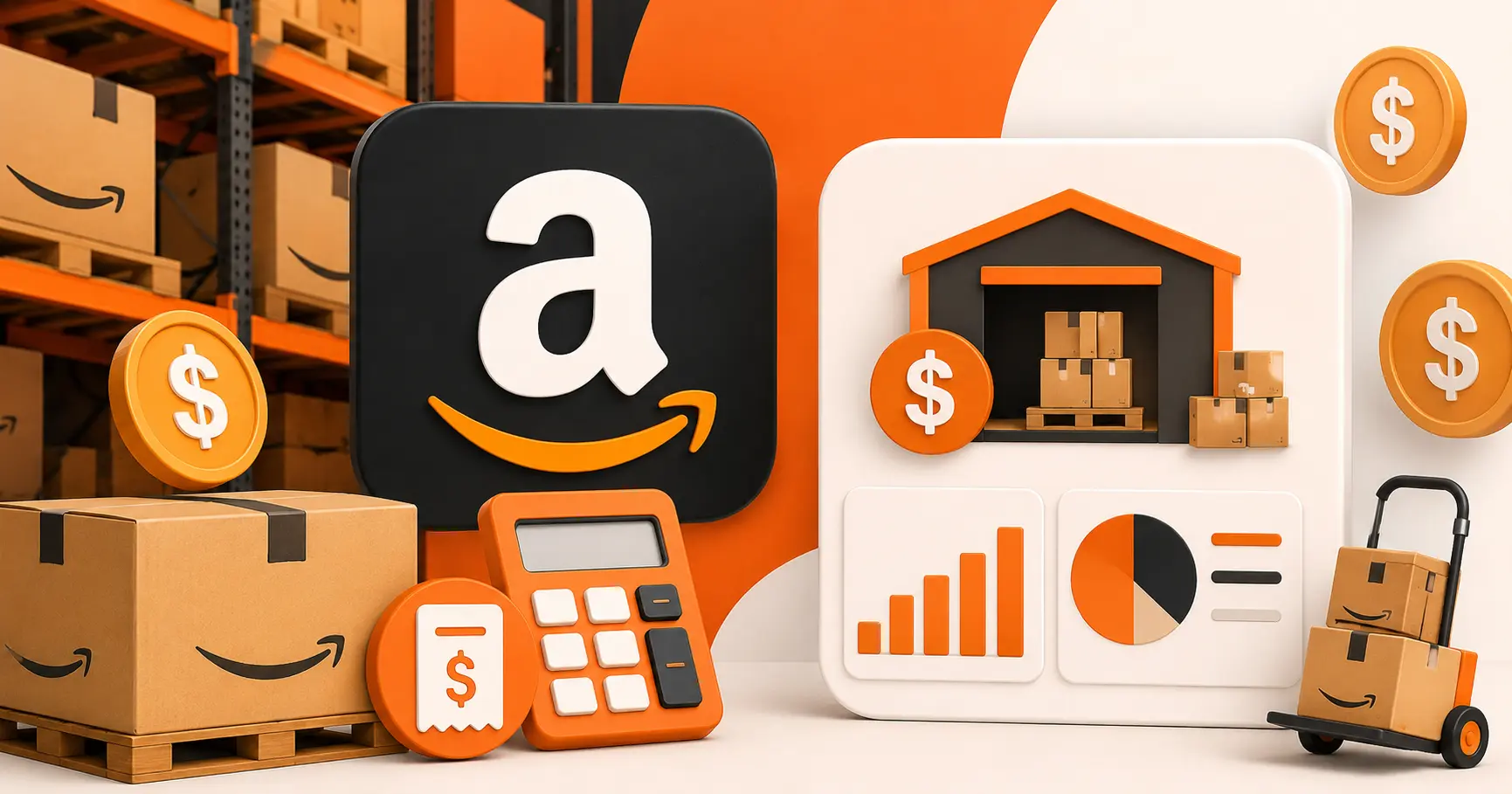
In the modern e-commerce landscape, success is defined by operational precision. Whether you sell on Etsy, Amazon, Shopify, or eBay, understanding the math behind FBA monthly inventory storage fees, peak storage fees, and long-term storage fee penalties. is critical. Minor variations in fee percentages, shipping rates, or ad costs can accumulate into major cash flow leaks. This guide provides a detailed analysis of this topic, giving you the knowledge to optimize your store and protect your profit margins.
The Core Challenges of Amazon Storage Fees: Tips to Avoid Long-Term Storage Charges
Many e-commerce sellers focus entirely on sales volume, ignoring the underlying variable costs. Platforms charge transaction commissions, listing fees, and credit card processing charges that directly eat into margins. To build a sustainable brand, you must map out every cost component and understand how they impact unit economics. By analyzing these expenses systematically, you can make informed decisions about product pricing, advertising budgets, and inventory replenishment.
Detailed Parameters and Fee Schedules
Managing operational costs requires a structured breakdown of platform parameters. Below is a comparative overview of key cost factors and metrics that you must track:
| Cost Element | Fulfillment by Amazon (FBA) | Fulfillment by Merchant (FBM) | Marginal Impact |
|---|---|---|---|
| Referral Fee | 8% to 15% (Category-based) | 8% to 15% (Category-based) | Identical across both methods |
| Fulfillment Surcharge | Weight & Dimension-based ($3.22+) | Your courier costs + packaging labor | FBA cheaper for small, light items |
| Storage Surcharge | Cubic foot storage + aged inventory fees | Independent storage lease / office cost | FBA gets expensive if inventory holds long |
| Prime Badge | Automatic Prime logo enabled | Requires SFP qualification criteria | FBA dramatically boosts click conversion rates |
Step-by-Step Mathematical Walkthrough
To put these concepts into practice, let\'s look at a concrete mathematical example. Working through these calculations step-by-step will show you exactly how platform fees, product costs, and operational expenses interact to determine your net margins.
Let\'s conduct a mathematical simulation of an FBA transaction. Assume you sell a fitness resistance band for $19.99 USD. The band is a standard size item weighing 8 ounces. The direct COGS (manufacturing, packing, import duty to Amazon) is $3.50 USD. The referral fee percentage for sports goods is 15%.
First, we calculate the Amazon Referral Fee: 15% of $19.99 = $3.00 USD.
Second, we calculate FBA fulfillment fees. For a standard-sized product under 1 lb, the fee is flat at $3.22 USD per unit. This covers shipping labor, packaging box, and carrier label cost.
Third, we assume the item sits in Amazon FBA storage for 30 days. The storage fee contribution is estimated at $0.08 USD per unit.
Fourth, we sum the platform fees: $3.00 (Referral) + $3.22 (FBA Fulfillment) + $0.08 (Storage) = $6.30 USD. This represents 31.5% of your gross selling price.
Fifth, we calculate the Net Profit: $19.99 (Retail Price) - $3.50 (COGS) - $6.30 (Amazon Fees) = $10.19 USD.
Finally, the Net Profit Margin is: ($10.19 / $19.99) * 100 = 51.0%. Use the Amazon ROI tool on our website to simulate variations in shipping weights, dimensions, and storage age factors.
Actionable Strategies for Optimization
Knowing the math is the first step; the next is applying optimization strategies to lower your overheads. Here are four actionable tips you can implement today to protect your e-commerce profits:
1. Optimize Dimension and Weight Packaging: Since Amazon FBA fulfillment rates are calculated based on fractions of an inch and ounces, keeping your packaging layout compact can drop your product to a lower tier, saving you up to $1.20 per order.
2. Establish an Active Inventory Turnover: Amazon charges storage surcharges based on storage age. Monitor your safety stock and lead times using the Inventory Reorder tool. Keep stock levels at 30-45 days of sales to avoid high storage fees.
3. Utilize the Low-Price FBA Program: For any products priced under $10, Amazon offers a discounted FBA fee tier. Check your eligibility to claim these fee credits and protect margins on cheaper items.
4. Audit Inbound Shipping Expenses: Use Amazon Partnered Carrier options when freighting inventory from your supplier to Amazon warehouses, as they offer heavily discounted shipping rates compared to standard commercial carrier pickups.
Advanced Seller Insights & Best Practices
As your store scales, you must transition from basic calculations to advanced cash flow modeling. Professional sellers build comprehensive profit and loss (P&L) statements, monitor customer acquisition costs (CAC), and track lifetime value (LTV). Integrating these metrics into your daily operations ensures your business remains resilient against platform policy shifts or shipping rate increases. Always rely on data, rather than guesswork, to guide your pricing and marketing decisions.
Frequently Asked Questions
What is the Amazon referral fee minimum?
For most product categories, Amazon imposes a minimum referral fee of $0.30 USD per item. If your calculated percentage fee is lower, you are still charged the $0.30 minimum.
How do storage fees change on Amazon FBA?
Amazon FBA storage costs are calculated by volume (cubic feet). Fees are standard from January to September, but increase significantly from October to December to manage holiday inbound flow.
What happens if my Amazon inventory does not sell?
Inventory sitting in FBA warehouses for over 180 days is subject to Aged Inventory Surcharges (formerly long-term storage fees). You should run removal orders or offer discounts to liquidate it.
Authoritative References & Resources
To learn more about e-commerce operations, check out the official support channels of your platform, such as the Etsy Help Center, Amazon Seller Central, eBay Seller Center, or Shopify Community Forums. These platforms provide official updates on fee percentages, shipping policies, and developer API integrations.
Optimize Your Business Margins Today!
Stop guessing your net profits. Use our suite of professional seller tools to run exact cost simulations instantly.
Try E-commerce Profit Calculator
Ahmad Raza
Senior E-Commerce Consultant & Founder
3+ Years in E-Commerce Optimization & Growth Marketing
Ahmad Raza is an e-commerce strategist, developer, and founder of LWR Digital. With over 3 years of hands-on experience optimizing digital storefronts, managing multi-channel marketplaces, and building custom SaaS solutions, Ahmad dedicates his expertise to helping creators and brand owners maximize their profit margins.